Investing is mostly math.
A good intown investment property reads in spreadsheet form before it reads in person. The houses worth owning are the ones that pencil first.

Real cap-rate math
You'll see actual market rents, real expense ratios, and a defensible cap rate on every property we recommend. We don't paper over assumptions.
Twenty-plus years of experience
John Morgan bought his first intown investment property in 2000 and has been an active investor every year since. He owns rental property in Kirkwood, Oakhurst, Candler Park, and Peoplestown.
A real operator network
Lenders who do investor loans, property managers who actually answer calls, contractors who do investor renovations on budget. The names matter more than the algorithm.
How we work with investors.
Define the thesis.
Cash-flow vs appreciation. Single-family vs small multi. Long-term hold vs flip vs BRRRR. We start with what you're actually trying to build, not just what's on the market this week.
Targeted sourcing.
On-market, off-market, distressed, FSBO, our partner network. We bring deals that fit the thesis, not whatever's easiest to show. Most weeks you'll see 2 to 5 candidates worth a real look.
Underwriting together.
For every property worth pursuing, we build the model with you. Real rents (not Zillow estimates), real vacancy, real maintenance reserves, real cap-ex projections. The number falls out. You either pull the trigger or you don't.
Financing strategy.
Cash, conventional investor loan, DSCR loan, portfolio lender, partner equity. We've seen all of it work. We help you pick the structure that fits your goals and connect you with the lenders who actually close investor deals.
Negotiate and close.
Investor deals are won on terms as much as price. Sellers care about certainty of close. We write offers that emphasize the things they care about, which lets us hold the line on price.
Hold, refinance, repeat.
Most of our investor relationships span multiple transactions. We stay involved after closing for tenant placement, property management referrals, refinance timing, and the next acquisition when you're ready.
The math we actually run.
Investing is the part of real estate where the spreadsheet matters more than the sentiment. Here's what we underwrite on every property we recommend, before it gets to the showing stage.
Cap rate, honestly
NOI divided by purchase price, using actual market rents (verified) and full expense ratios (not landlord-optimistic). Intown single-family caps are real, just smaller than people expect.
Cash-on-cash return
What you actually pocket per dollar of equity per year, after debt service. The number that matters most for cash-flow investors.
Value-add scenarios
Light renovation, full rehab, ADU build, BRRRR exit. We model each as a scenario so you see the range of outcomes, not just one optimistic number.
Financing options
Conventional investor, DSCR, portfolio lender, hard money for BRRRR, partner equity. The structure changes the returns dramatically; we model the meaningful ones.
Hold-period projection
A five-year IRR projection assuming reasonable rent growth, conservative cap-rate compression, and your specific tax situation. Not pretty, but honest.
"As a first-time investor I needed someone who could walk me through cap-rate math, not just pretty kitchens. Park Realty taught me more in three months than the previous broker had in a year."D. WalshFirst investment, Kirkwood, 2024
The things investors actually ask.
No fluff. The questions clients have asked us when they're seriously evaluating whether to commit capital.
What's a good cap rate intown?
Intown Atlanta single-family rentals typically pencil at 4.5 to 6.5% cap, depending on neighborhood and property condition. Small multi (2-4 unit) can stretch to 7 to 8.5% in the right pockets. If a listing claims 10%, the math is almost always wrong. We'll show you why.
Should I LLC the property?
Probably yes, but timing matters. Buying in an LLC limits financing options (DSCR rates run 1 to 1.5% higher than conventional). Many investors buy in personal name with conventional financing, then quit-claim to an LLC after closing. We'll connect you with a real estate attorney to model the trade-offs.
Cash or financing?
Almost always financing, unless you're using cash to win a competitive deal and refinancing within 6 to 12 months. Leverage amplifies returns when the math works. Just make sure you can cover debt service through 6 months of vacancy, not just one.
Long-term rental, short-term, or mid-term?
Intown Atlanta short-term-rental regulations have tightened. Long-term traditional rentals are the most reliable model for most investors. Mid-term (30-90 day furnished, often for traveling professionals or insurance displacement) can outperform long-term in specific submarkets. We'll walk you through which neighborhoods support which models.
How do you screen tenants?
We don't manage properties day-to-day, but we refer you to two or three local managers we've seen do this well. Standard practice: credit pull, income verification (3x rent minimum), prior landlord references, criminal background, rental history. Skipping any of these saves time and costs money later.
Pick the stage you're actually at.
The first message can be short. We'll match how we respond to where you are.
Just learning? We'll send you our cap-rate spreadsheet template and a few recent intown deal teardowns. Have a target market? We'll walk you through which neighborhoods pencil right now. Specific property in mind? We'll underwrite it with you this week.
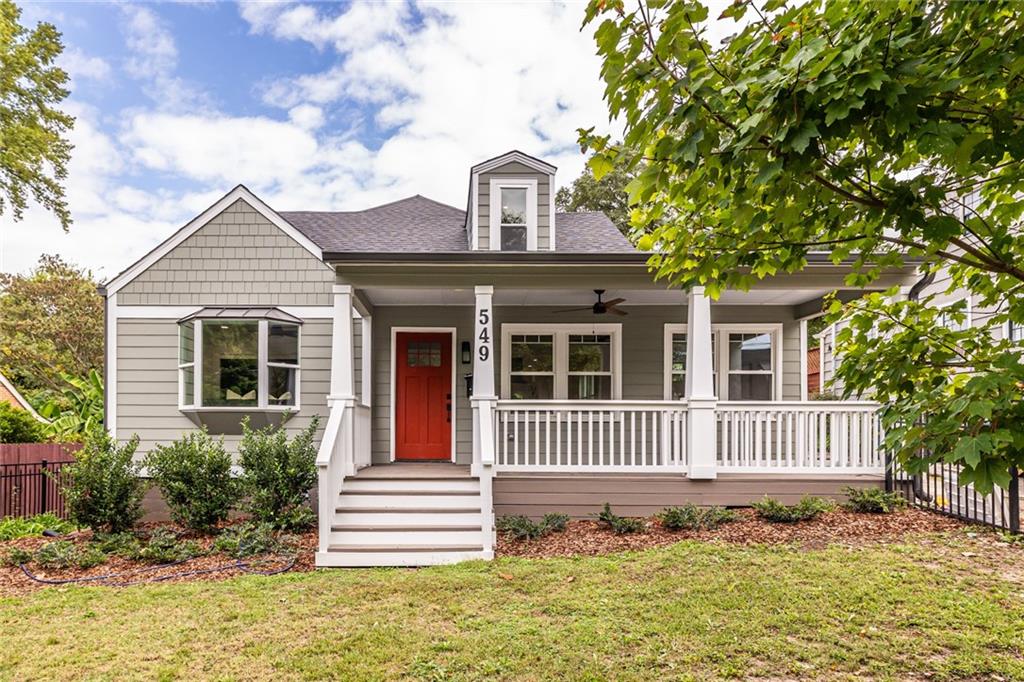
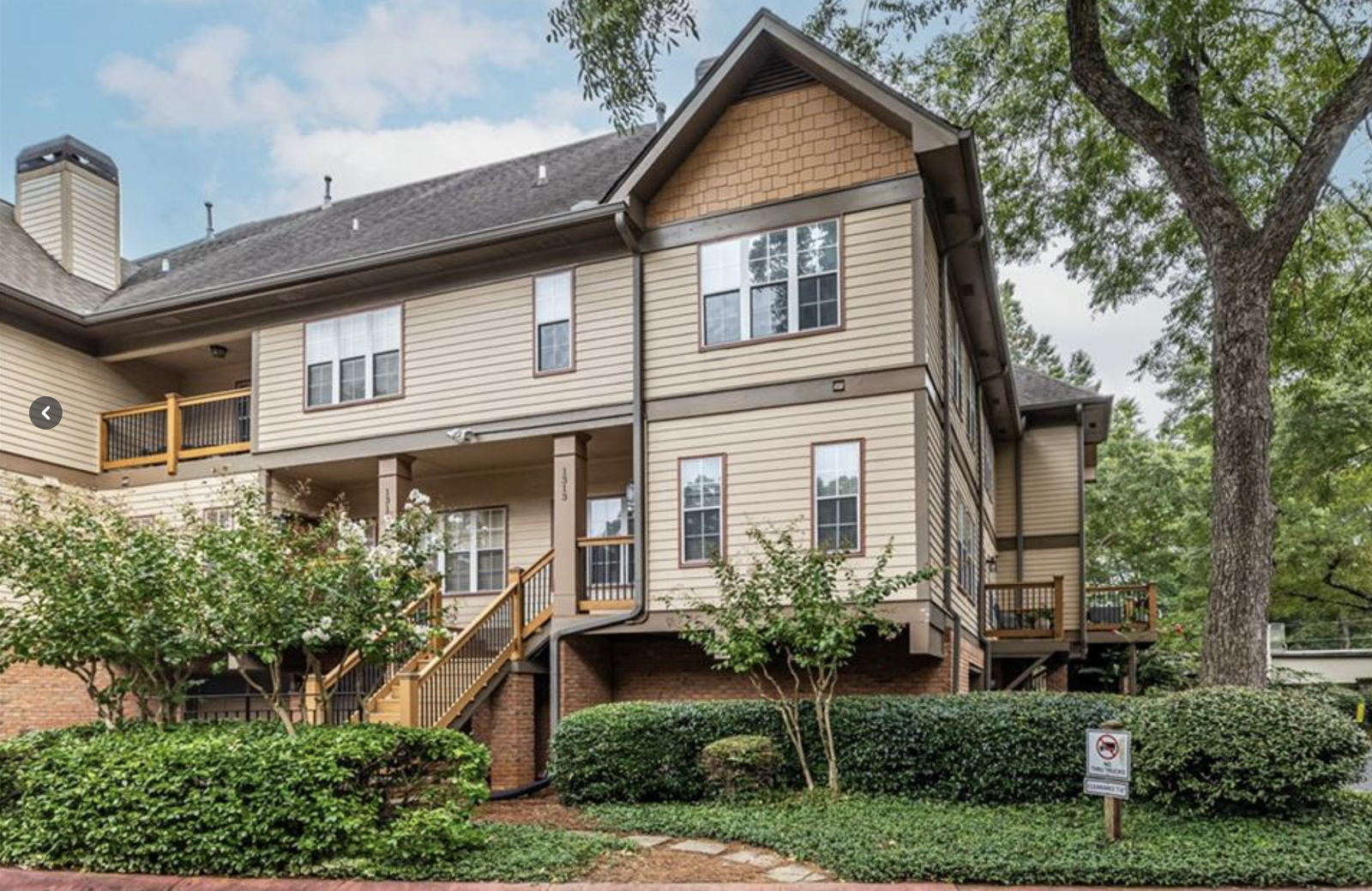
Recently closed intown.
View all →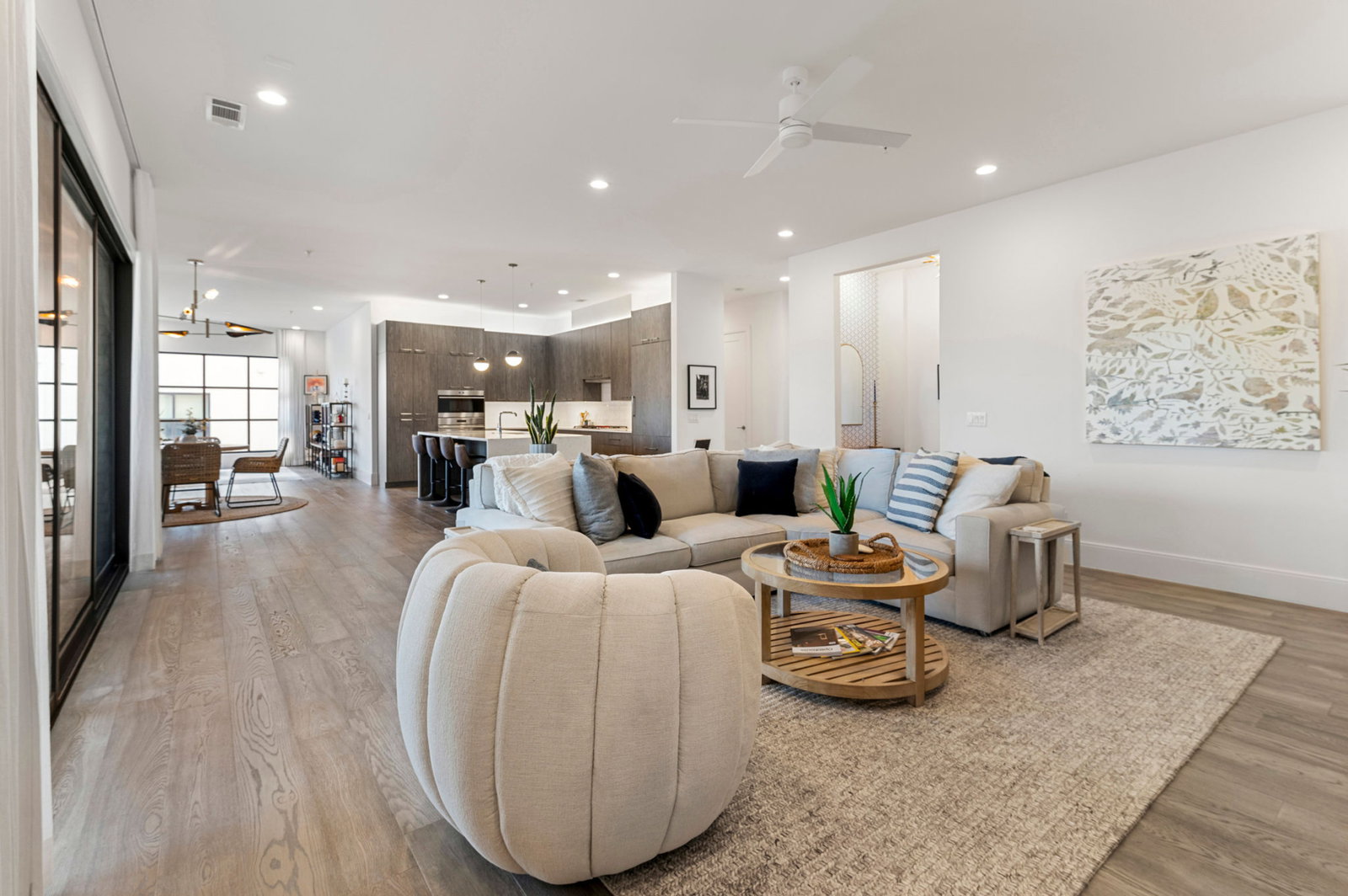
Our most-worked intown neighborhoods.
The first step is a spreadsheet.
Send us your buy box, or the thesis you're testing. We'll respond with three deals worth a real look, with the cap-rate math already done.